The Proglucagon Family All three peptidesGLP-1, GLP-2, and GLP-3come from the same genetic source but are processed differently: In the pancreas: Proglucagon is processed to produce glucagon In the intestines: Proglucagon is processed to produce GLP-1, GLP-2, and other peptides In the brain: Similar processing occurs with various effects on appetite and metabolism Now, lets explore each peptide individually to understand their unique characteristics
So its important for those starting on the drug to understand how their prescriber will monitor their weight loss and side effects, how they should report issues and weights, and more
This hormone interacts with the GLP-1 receptor, a biological switch found in the brain, pancreas, and digestive system
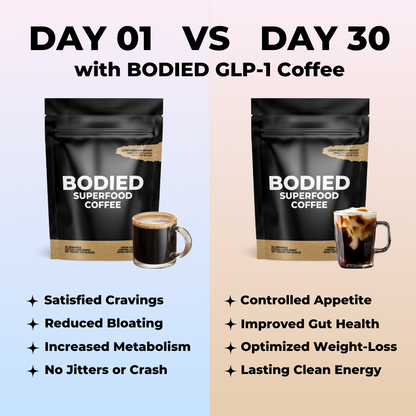
No 3pm crash, no afternoon collapse
Common Adverse Effects of GLP-1s The most common adverse effects of GLP-1 receptor antagonists 26 are gastrointestinal-related, including: Nausea Diarrhea Vomiting Constipation Abdominal pain Dyspepsia/indigestion (upset stomach) Nausea is the most common of the GI symptoms, affecting up to 50% of users, but the frequency often gradually reduces as therapy continues





:max_bytes(150000):strip_icc()/WouldYouBeMoreLikelytoTakeGLP-1sifTheyCameinPill-Form_final-2741a721ac7748639cf0256d61df3b7f.png)