Unusual clinicopathological presentation of nontraumatic cerebral fat embolism: two-case report
Adherence is generally affected by a combination of capability (strength, dexterity, cognitive powers), opportunity (complexity, cost, availability) and motivation (intrinsic drivers, rewards, general mood).11 Based on this, it is possible to calculate relative differences in likely adherence with a quantitative analysis of typical disease impact, patient demographics, drug effects and device operating principles.12 By systematically analysing a drug delivery solution, it is possible to identify opportunities for improvement and determine the cost-benefit of investing in a wide range of design features
Neurological examination revealed improvement in all neurological indices analysed in a percentage of patients ranging from 11.9% (muscular trophism) to 29.1% (topographic score)
Springer, London, pp 315340 Bahji A et al (2025) Navigating agitation in neurodevelopmental disorders: a comparative study of pharmacotherapies via network meta-analysis in children and adults with autism spectrum disorder or intellectual disabilities


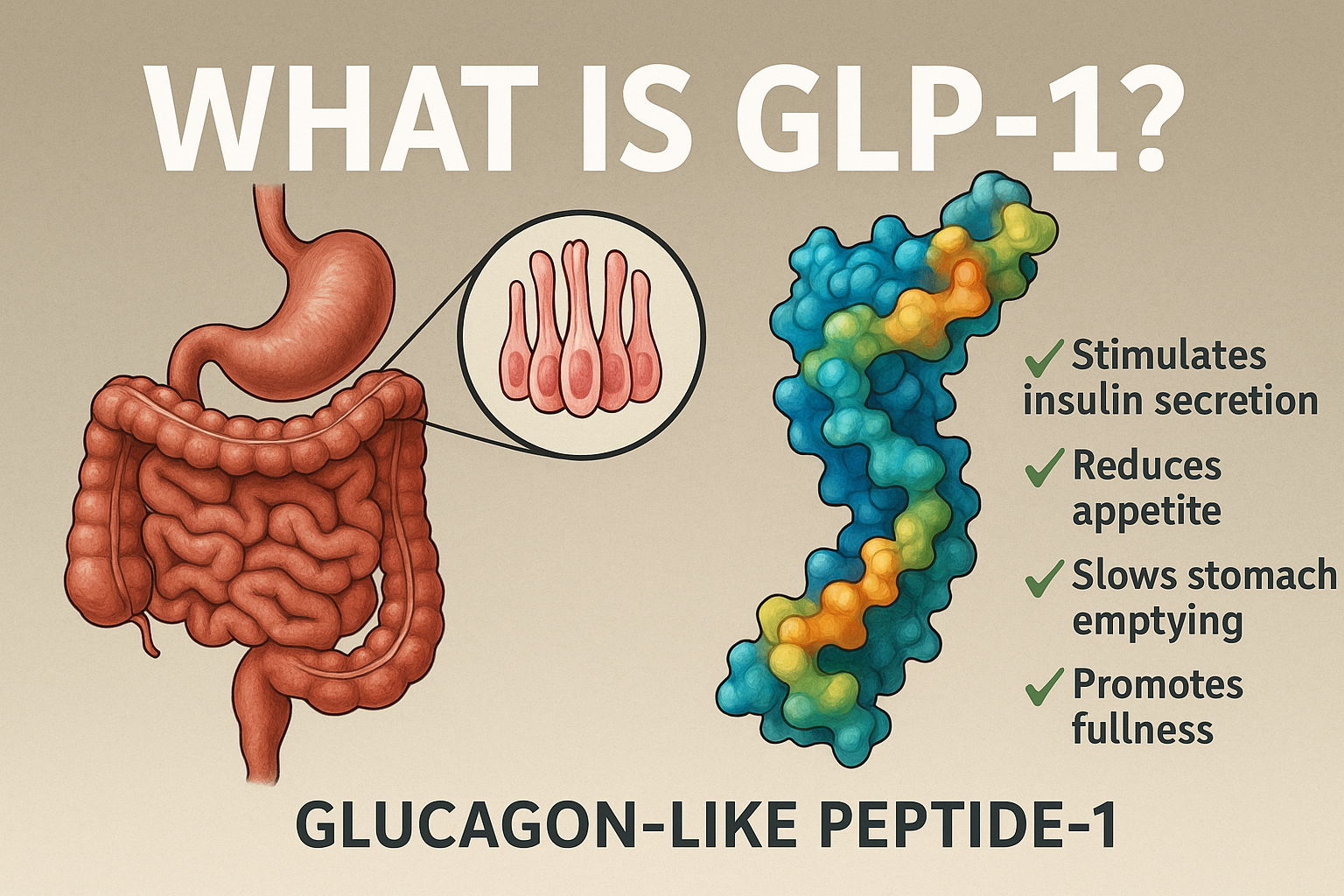





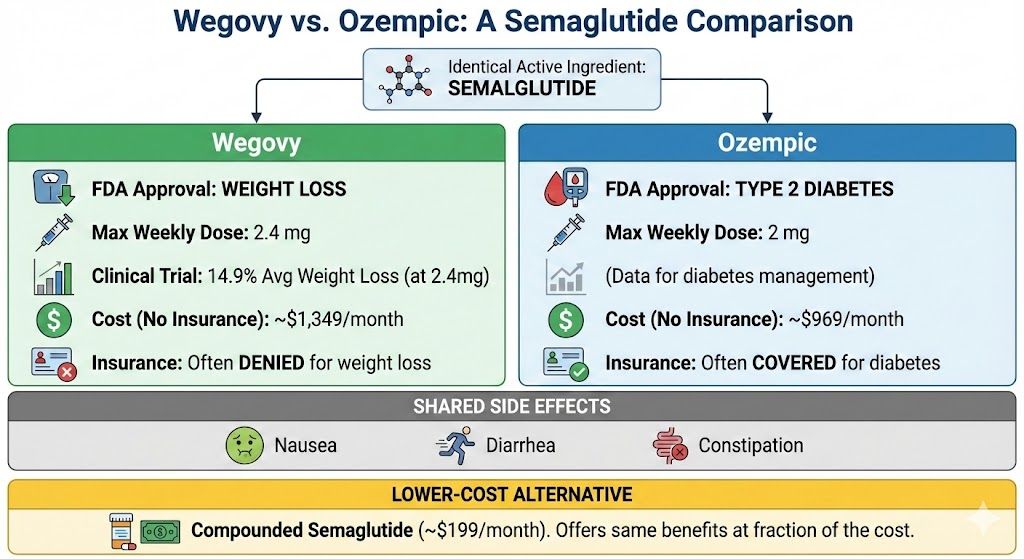
![Semaglutide vs. Ozempic: RR Wellness Clinic's Guide [2025]](https://cdn.prod.website-files.com/661fb6c93f12c1a427db2537/689f0d069bdc699f796bc7bb_ANYlcfCWX2_k5kikuHM0vsShOjTCzjQcz8rI4c2wVsitdWjIv3nck8W-2_SW5l0QEuIammFNYhKmwM0IM_4Dqm25rhLqHsIFvqRob0uQZihYx3YpiYCaIBtUDV6-i6_let6zQXujHR_RARiwUKB__XE.png)