The diagnostic process typically involves: Clinical history taking, focusing on symptoms (fatigue, neurological changes, dietary habits) Physical examination for signs of anaemia or neurological impairment Blood tests including full blood count, serum B12, and often folate levels Additional investigations such as intrinsic factor antibodies or parietal cell antibodies if pernicious anaemia is suspected For borderline results, additional tests like holotranscobalamin (active B12) may be considered NICE guidance recommends that treatment should commence based on clinical presentation if neurological symptoms are present, without waiting for laboratory confirmation, as delays can result in irreversible nerve damage
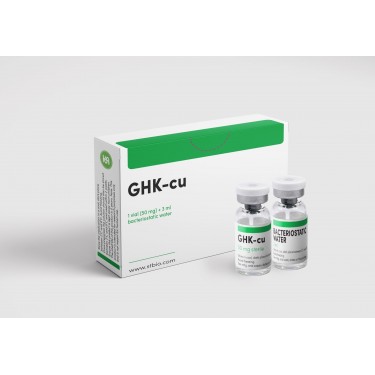
Bacteriostatic water typically has a pH around 5.0 to 7.0, which falls within an acceptable range for most peptides
Krause and Mahans Food & the Nutrition Care Process
Transcriptomic profiling of SARS-CoV-2 infected human cell lines identifies HSP90 as target for COVID-19 therapy
Ingredients: Prepared water, acidity regulators (citric acid, trisodium citrate), L-carnitine, taurine, flavorings (Strawberry, Wild Strawberry, Multisense Masking), magnesium aspartate, caffeine, potassium sorbate, sweetener sucralose, sodium benzoate, vitamins (C, H, B1, B3, B5, B6, B9, B12), cloudifier (Neutral Emulsion), natural coloring (black carrot extract)