
(New York, NY: Springer), 149158
Graphical abstract Similar content being viewed by others Introduction Over the past decade, glucagon-like peptide-1 receptor agonists (GLP-1RAs) have demonstrated cardiovascular, renal, and metabolic benefits in patients with type 2 diabetes (T2D) and atherosclerotic cardiovascular disease (ASCVD) or high cardiovascular (CV) risk, and have subsequently been incorporated into multiple international guidelines [1,2,3]
Variation in FTO (the fat-mass and obesity-associated gene), GLP1R (the GLP-1 receptor gene that every GLP-1 compound targets), MC4R (a melanocortin receptor tied to satiety and energy balance), and TCF7L2 (a transcription factor linked to glucose handling and GLP-1 secretion) describes the metabolic terrain a compound acts on
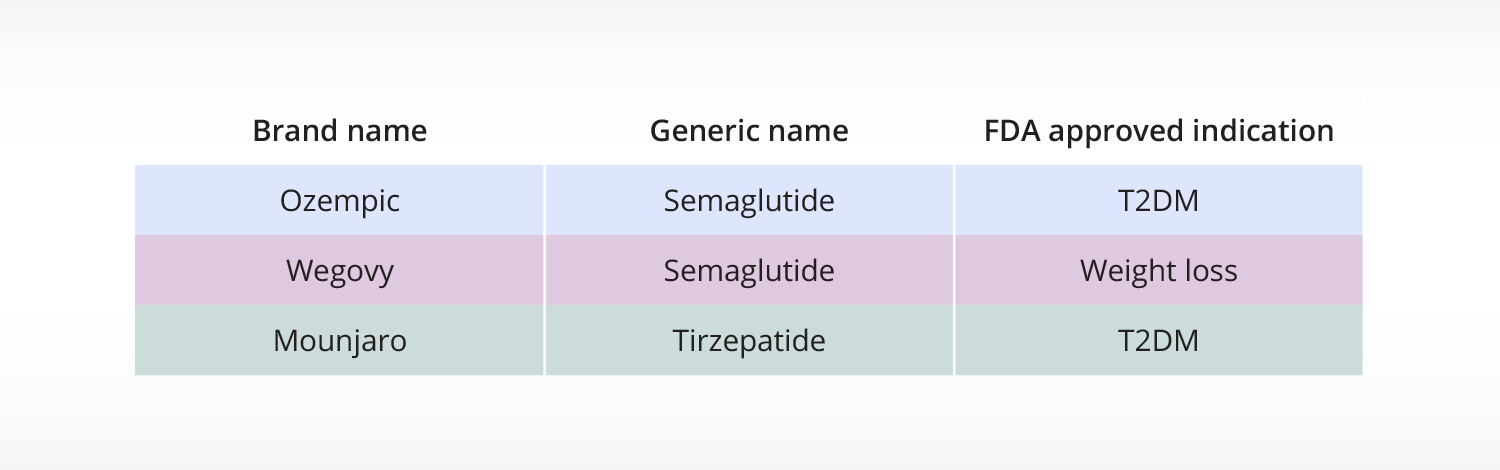
With the addition of semaglutide, there are multiple surgical options and drugs for obesity and diabetes
They are not approved for use in individuals with type 1 diabetes or diabetic ketoacidosis