Each carton has ten packs, and each pack has twenty Step cigarettes
Production Line Overview Primary Processing: Tobacco cutting, drying Secondary Processing: Rod formation Cigarette Makers: Form and cut rods Packers: Fill, seal, arrange packs Cartoners & Wrappers: Group packs, apply protective films Specialized Packers: For snus, shisha, e-liquids Reclaimers: Recover defective products Tax Stampers: Apply regulatory stamps Advanced Principles Automated Feeding: Continuous material supply Precision Filling/Forming: Advanced mechanics and sensors Secure Sealing/Wrapping: Heat, ultrasonic, or adhesive seals Accurate Labeling/Checkweighing: Integrated quality control PLC Controls & Servo Motors PLC: Real-time adjustments, predictive maintenance, automated sequences Servo Motors: Precise positioning, rapid changeovers Levels of Automation Semi-Automatic: Operator input required, ideal for smaller productions Fully Automatic: End-to-end automation, high throughput Integrated Lines: Modular systems for maximum efficiency Visual Workflow Example Tobacco Input Rod Formation Pack Creation Tax Stamping Wrapping Cartoning Case Packing Palletizing Dispatch Key Product Attributes and Customization Options for Industrial Packing Machines Industrial packing machines offer core features and customizable options to suit diverse production needs
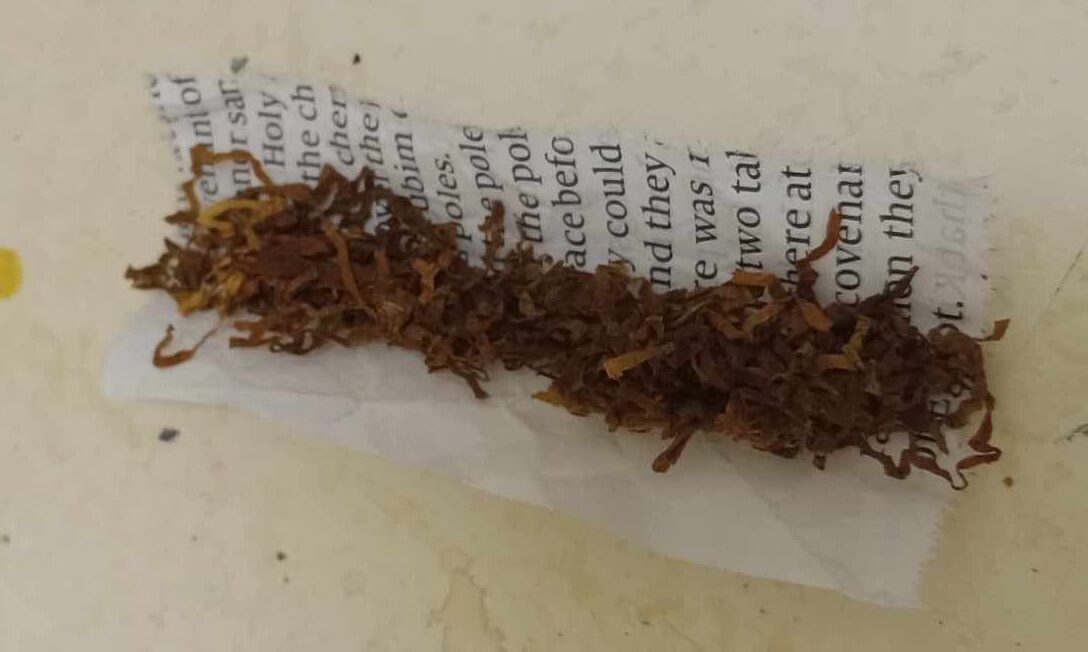
How Long Does Cigarette Smell Last on Clothes
In the city, access to such plants can be limited, and that is why cigarette butts enter the picture
The NJOY Artist Collection encapsulates the companys new direction, featuring creative new flavor blends designed by well-known e-liquid creators around the world