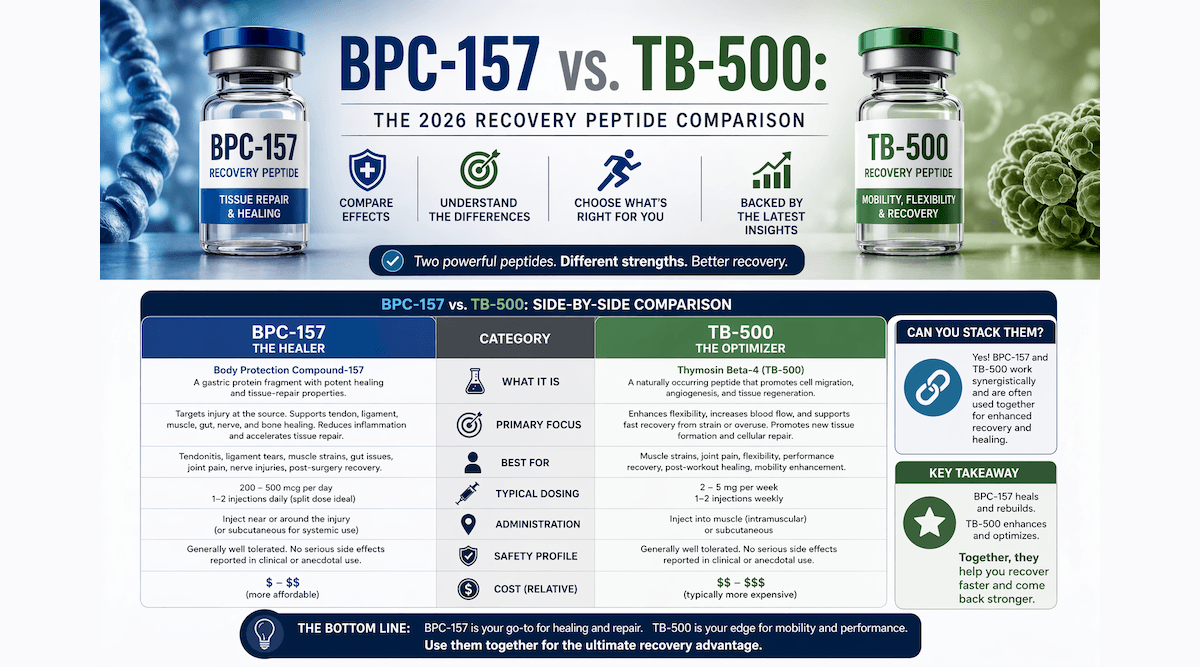
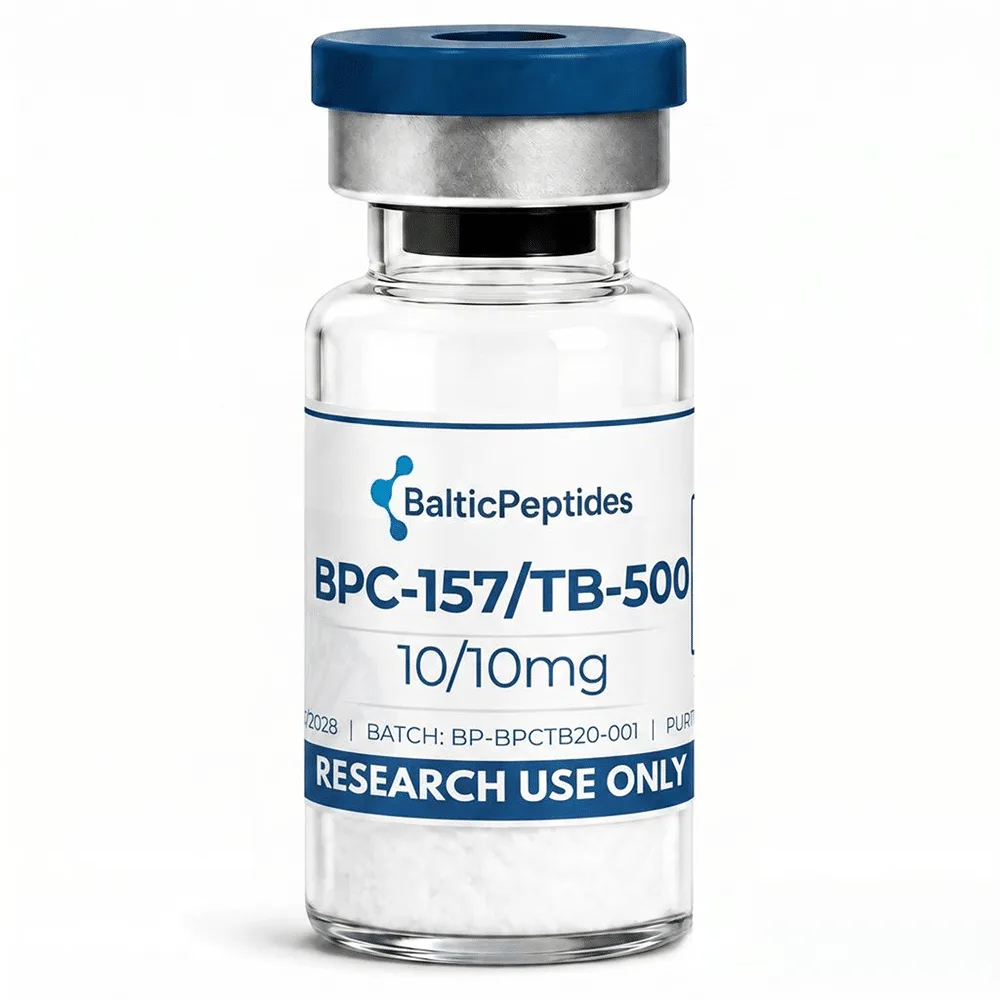
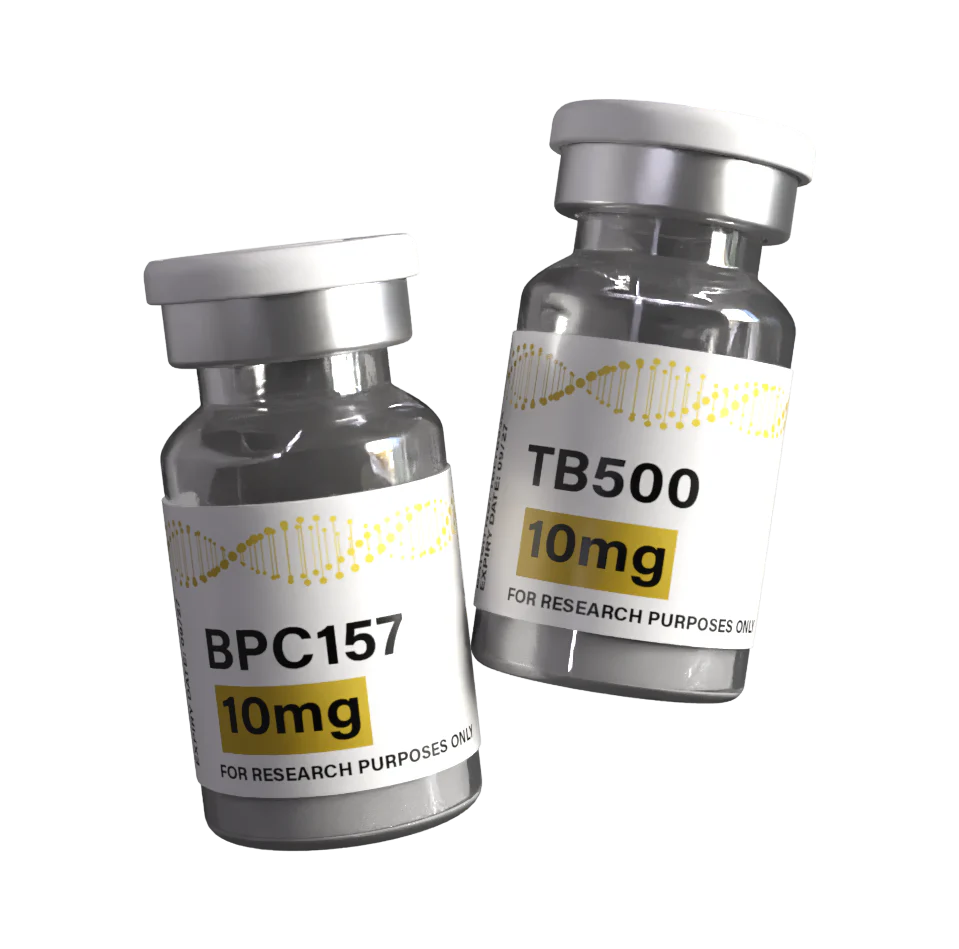
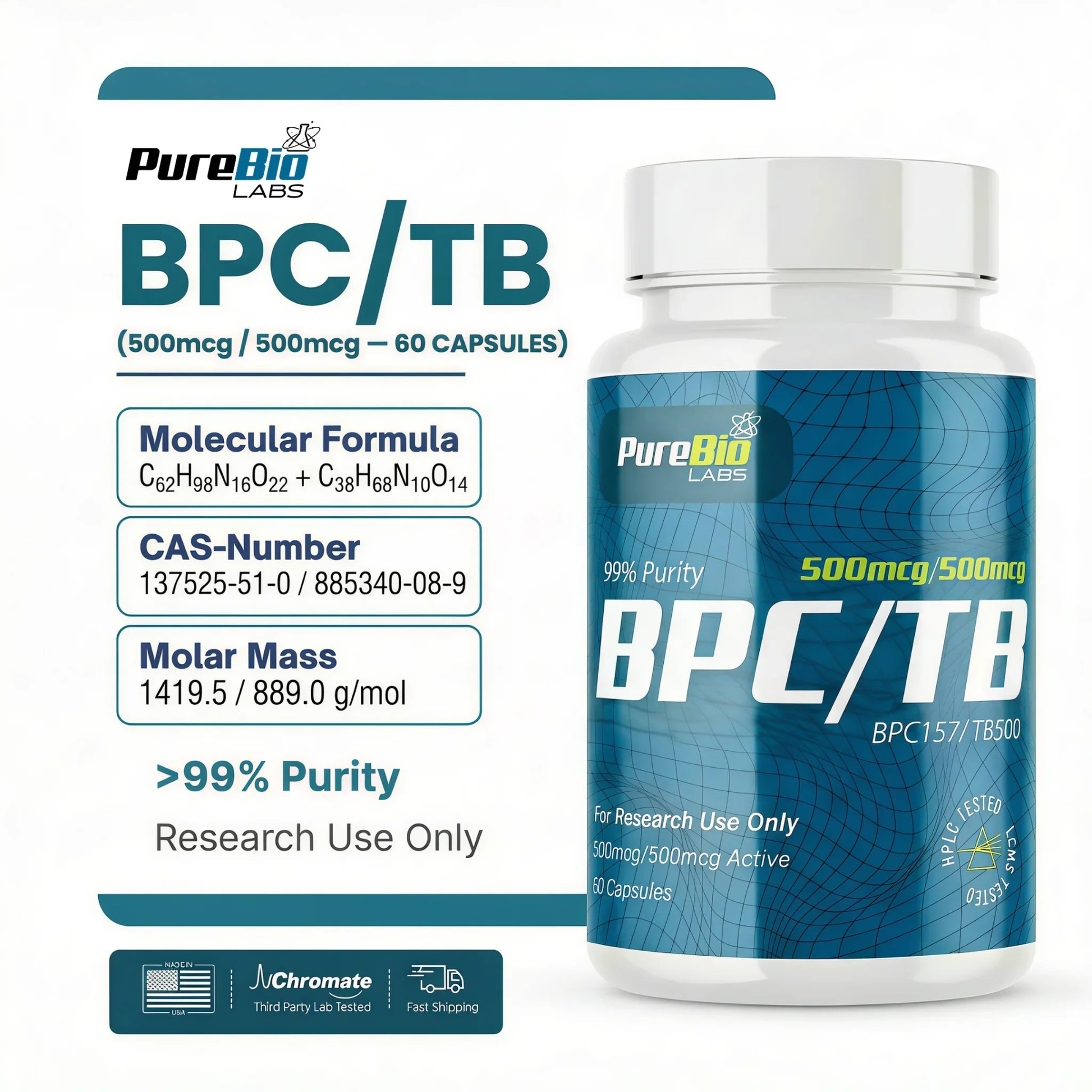
It works by: Stimulating angiogenesis (the growth of new blood vessels) Improving blood flow to injured areas Supporting the migration and proliferation of healing cells For orthopedic patients, this could mean: Faster recovery from tendon or ligament injuries Improved outcomes after orthopedic procedures Reduced downtime for athletes and active individuals Importantly, research has shown that BPC-157 is consistently effective across multiple models of both acute and chronic injuryincluding injuries to the gastrointestinal tract, where it has been tested via multiple delivery routes (oral, injection, and local application)
Community protocols shared on forums like r/USPeptides tend to run MOTS-c in the low single-digit milligram range per dose and 5-Amino-1MQ higher over time, but these are anecdotes, not guidance, and the fixed blend ratio limits how far you can tune them
went all out the window
Upon interaction with the GHRH receptor, it is posited that Tesamorelin & CJC-1295 (Mod GRF 1-29) may cause shifts in receptor configuration, possibly instigating intracellular communication channels
KLOW Blend Research Applications Modeling of multi-peptide signaling across angiogenic, anti-inflammatory, and tissue-repair pathways in in-vitro systems