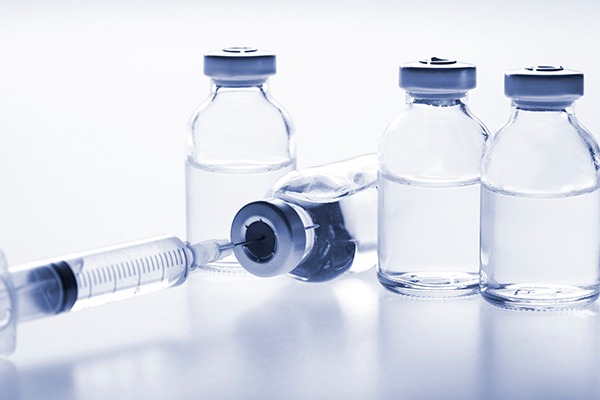
Potential risks Serious risks and adverse events include: Allergic reaction to the medications or dye used in the injection Shoulder infection Depigmentation of the skin around the injection site (a whitening of the skin) Local fat atrophy around the injection site (thinning of the skin) Rupture of a tendon located in the path of the injection Nerve damage near the shoulder joint Bleeding at the injection site In addition to the above, corticosteroid injections increase the risk of: High blood pressure High blood sugar Decreased immune function Decrease in bone mineral density Bone infection (osteonecrosis) Reproductive hormone imbalance Metabolic changes (eg, increased appetite, weight gain, and fluid retention) These risks are typically associated with higher doses of corticosteroids, multiple injections, and for people with underlying medical conditions such as diabetes and heart problems
ref1 :E
According to the Mayo Clinic, if your vitamin deficiency is severe enough to make you feel lethargic, you could gain weight as a result of reducing your exercise and movement
Pyridoxine (B) in high doses is known to interact with certain drugs: it can reduce the therapeutic efficacy of levodopa by increasing peripheral conversion of levodopa to dopamine (vitamin B speeds up decarboxylation)
No peer-reviewed clinical studies, pharmacokinetic interaction data, or regulatory guidance exist on the combined use of AOD 9604 and retatrutide