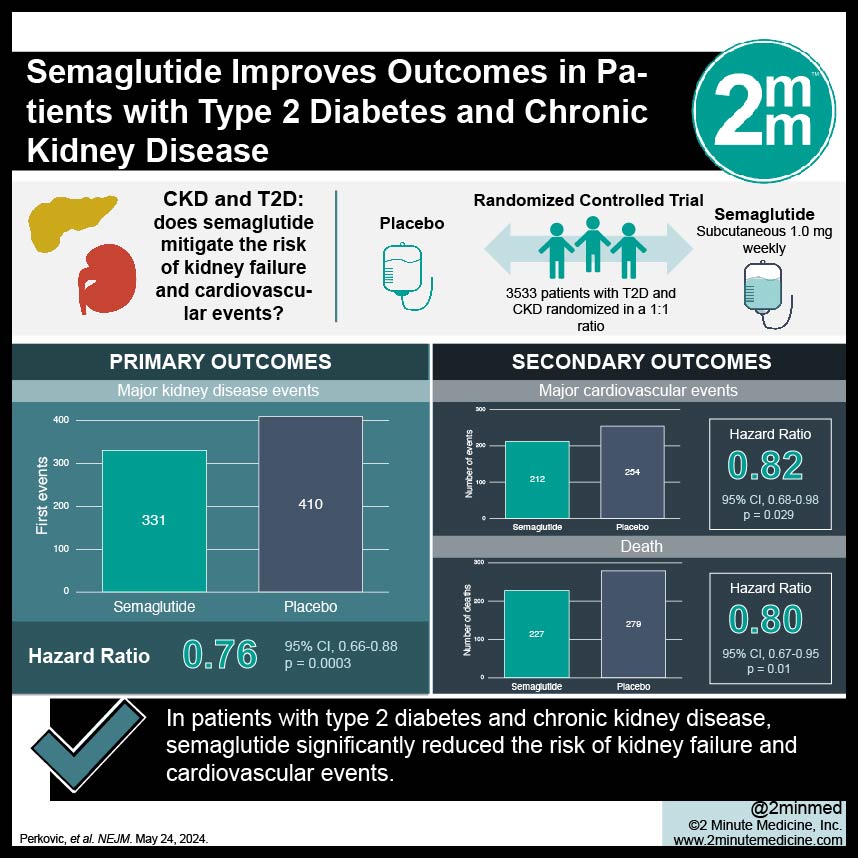
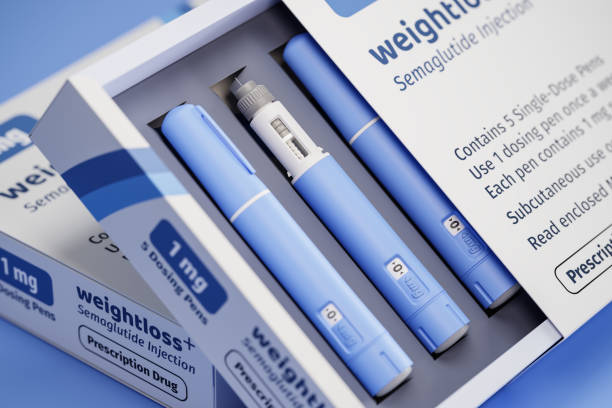
During GLP-1associated weight loss, lean-mass changes are typically adaptive and preventable , not degenerative. GLP-1 Body Composition Changes: What Clinical Trials Show About Muscle Loss Clinical trials and body-composition sub-studies of semaglutide and tirzepatide consistently demonstrate: Fat mass accounts for most weight lost during treatment. Lean mass may decrease , particularly without resistance training or adequate protein intake. In many patients, the proportion of lean mass relative to total body weight is preserved or improved , because fat loss exceeds lean loss. Key clinical insight: GLP-1/GIP therapies improve overall body composition by preferentially reducing fat massnot by causing muscle breakdown. Lean mass refers to all the non-fat tissues in the bodyprimarily skeletal muscle , but also organs, bones, connective tissue, and body waterthat support metabolism, movement, and overall physical function
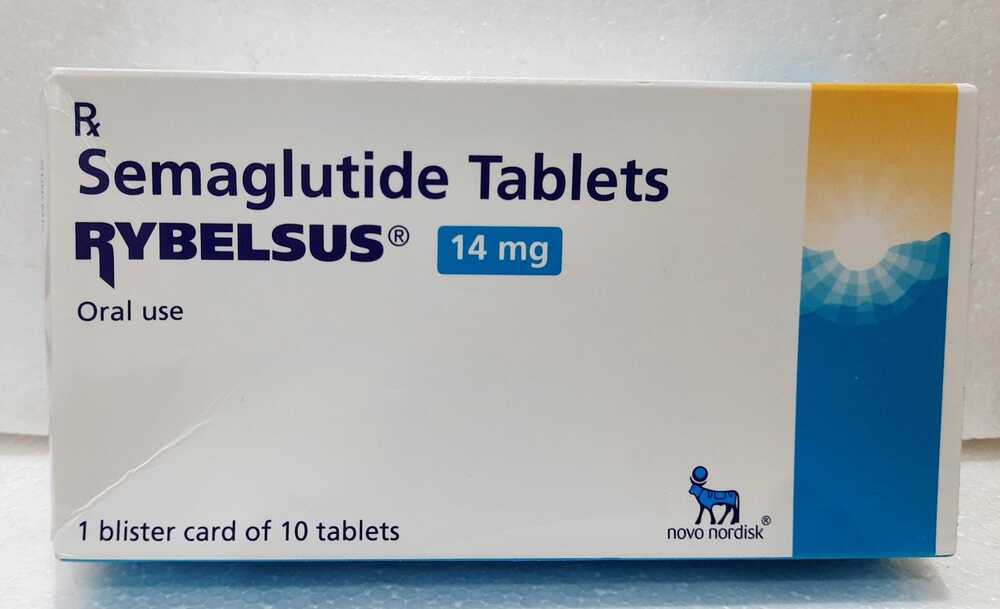
For patients using semaglutide, open communication with their doctor is vital
Experienced and trusted professionals will help you stay safe while maximizing the benefits of treatment
Contact your GP if you have persistent diarrhoea lasting over seven days, pale clay-coloured stools, dark urine with jaundice, fatty stools that float, unexplained weight loss, or a persistent change to looser stools (especially if aged 60 or over)
For example, there have been However, that same mechanism may also translate into a dampening of emotional highs and lows, which some patients may interpret as apathy or decreased libido